Everything, in its petak.
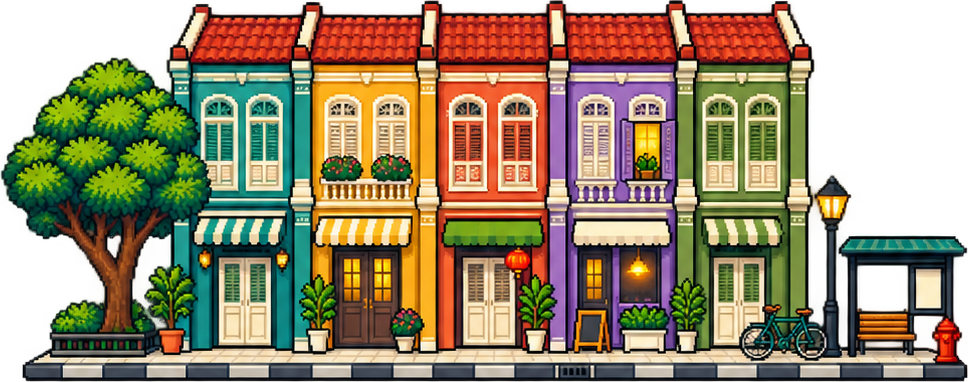
Petak is a row of neighbours who look after the things you carry — spending, meals, thoughts, shared bills. You talk, or send a photo. They keep it filed.
door_openCome inside
This is the real interface — tap around. Say something in the chat, or open the board with grid_view and knock on the empty petak.

cottageThe house at the end of the row
Every app has a server room. Petak has a shophouse.
It belonged to a woman everyone called Bibi. Nobody remembers her full name — which she would have found funny, because Bibi wrote everything down. Every coffee, every loan, every bag of rice she sent up the street when someone lost work. Receipts folded into cigar tins. Ledgers in a shorthand only she could read.
When she died, the house was mostly paper. The sensible thing was to clear it. Instead, the row divided it into petak — compartments, one per room — and let them cheap, on one condition: whoever takes a petak takes what's in it, and keeps keeping it.
So the house was not emptied. It was staffed.
groupMeet the neighbours
Each keeps one thing, and minds their own business about the rest. Pick one up close.

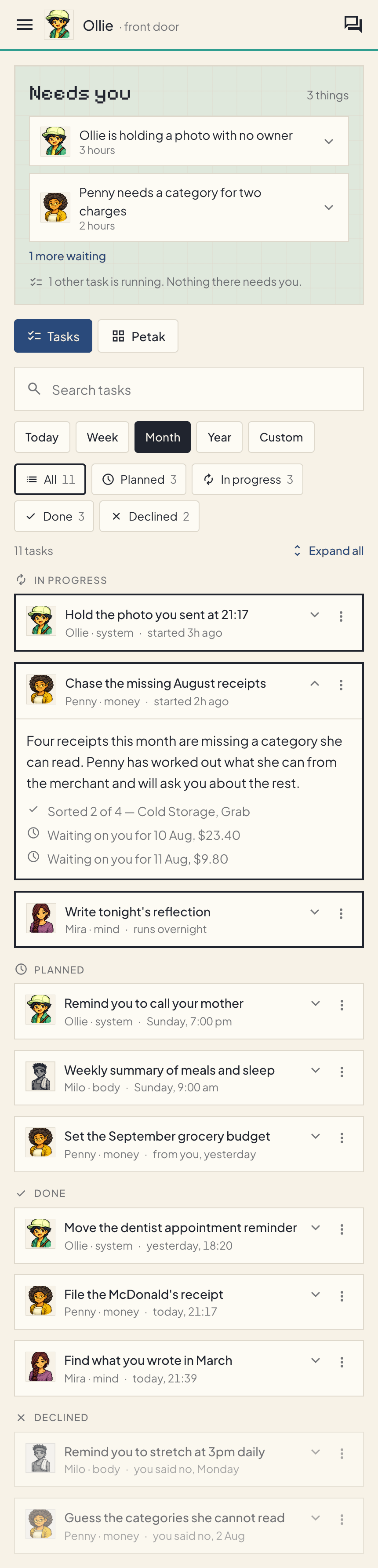


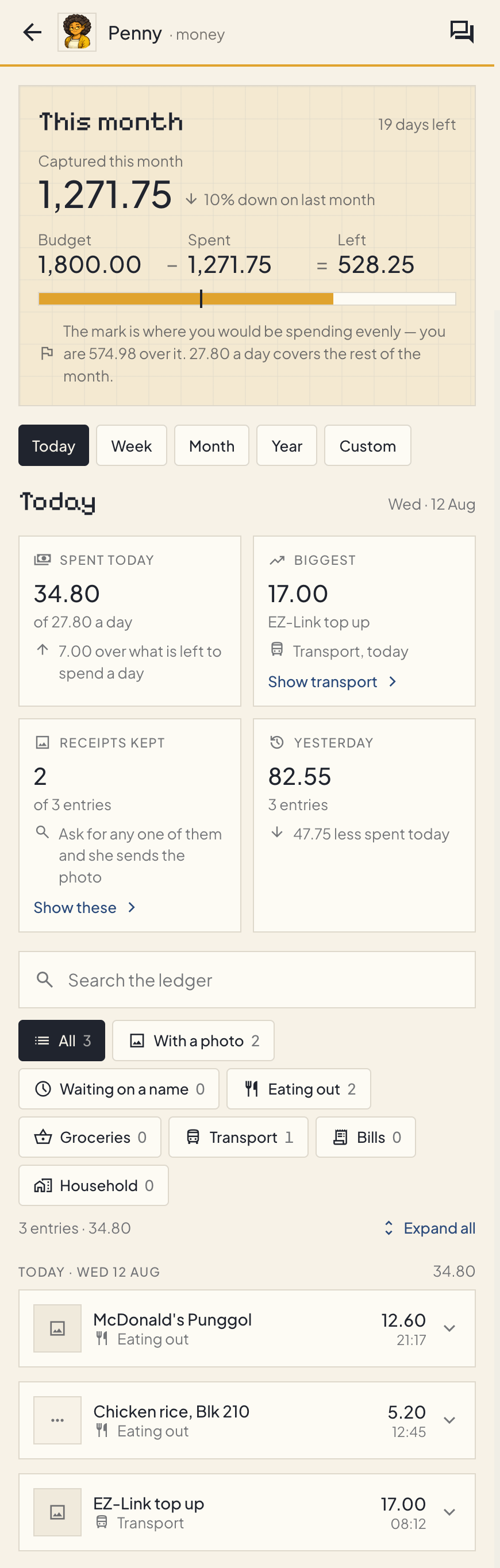


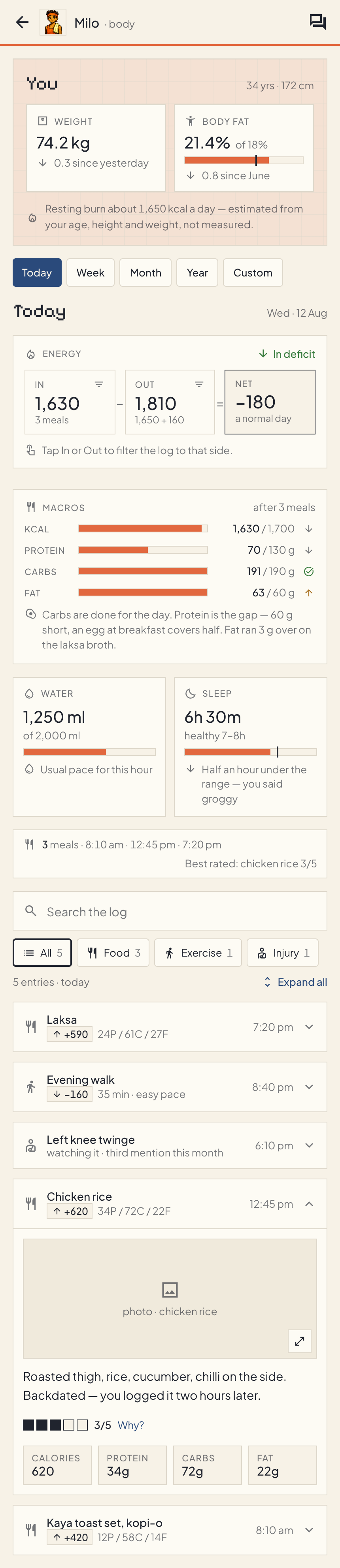





The register test: if you can swap a line between two neighbours without noticing, the line is wrong. Penny counts. Milo tells you. Mira asks. Tally states. Ollie points.
sellYour street, one price
Numbers are announced at launch. The shape is settled:
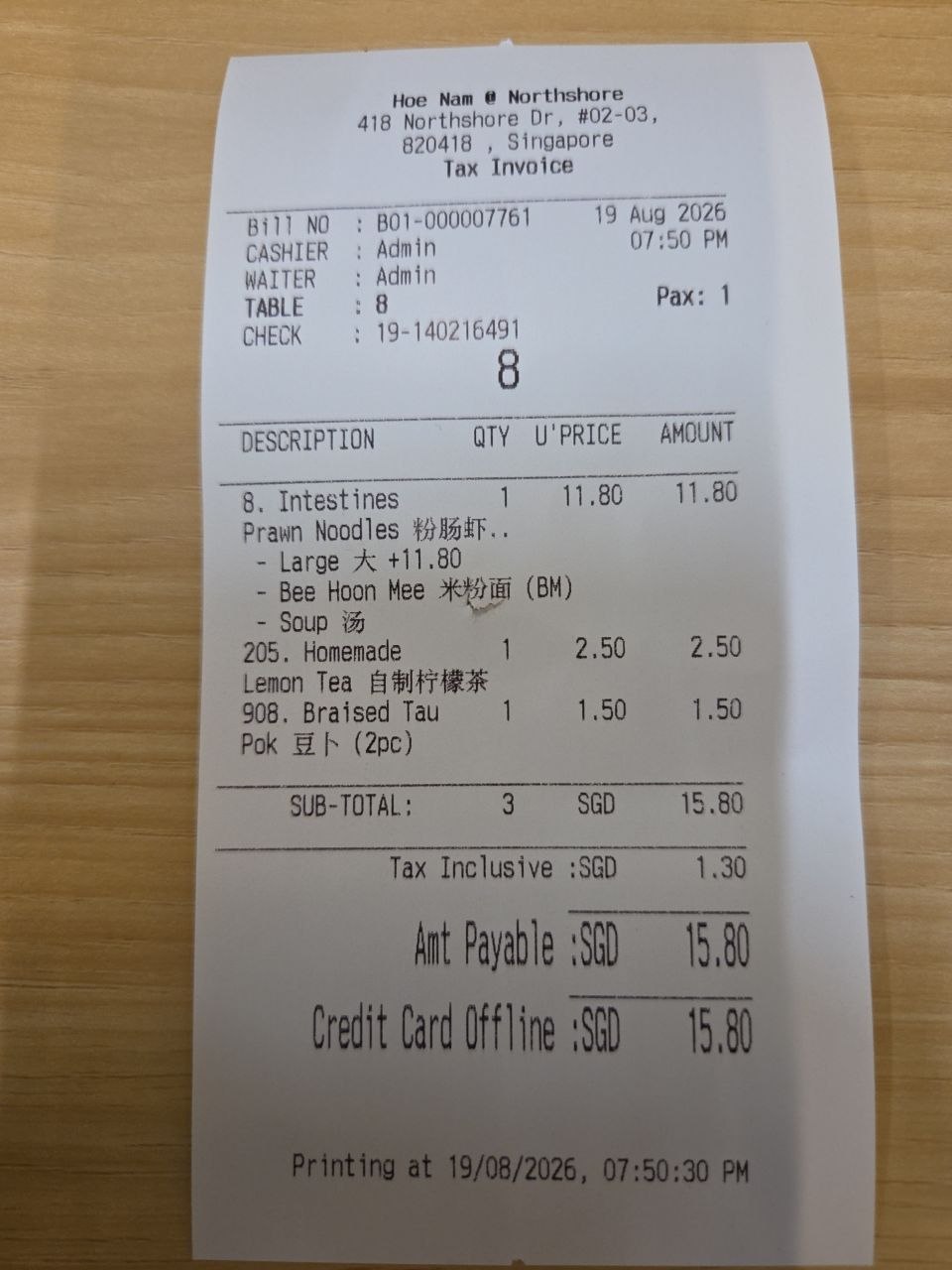
photo_cameraPhotos do the filing
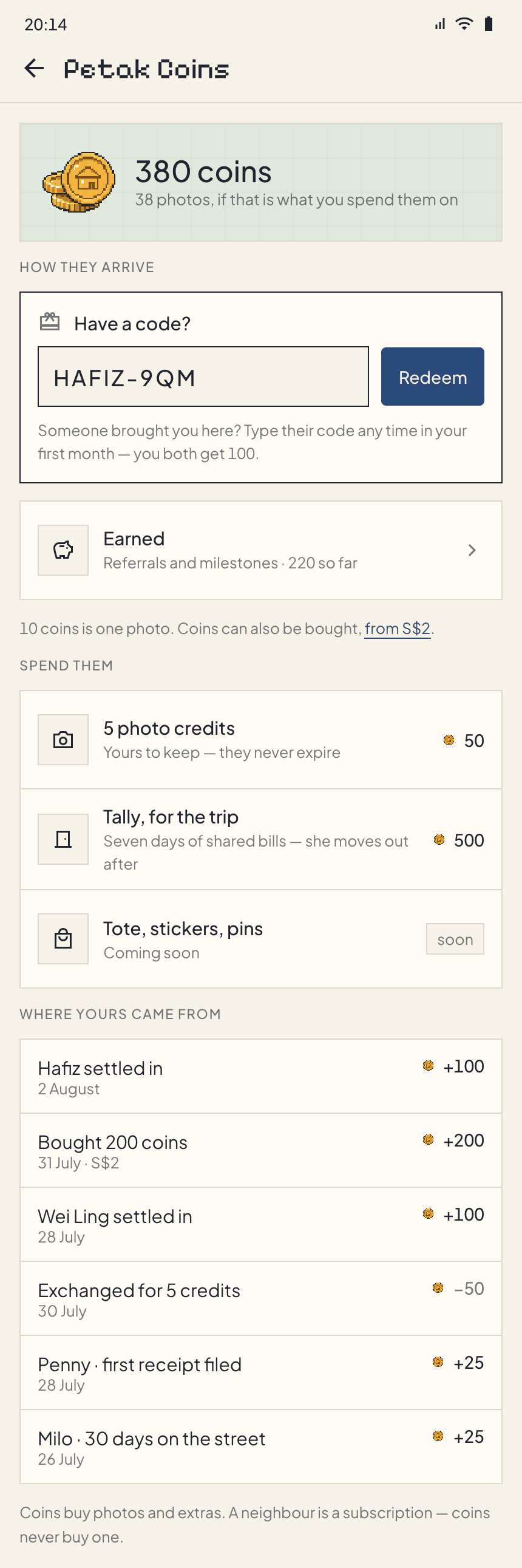
photo_cameraPhotos cost one credit each, you get some free every day, and coins — earned or bought — top you up.
tollNo streaks, no badges, no countdowns — just a coin now and then. The economy in full, in plain words, lives in the Terms.
A neighbour, not a feature list
Petak is Malay and Indonesian for a square — a compartment. A shophouse is a row of them: each door its own trade, the whole street somehow one thing. That's the app.
The idea underneath is older than the app: gotong-royong — Indonesian and Malay for a community carrying a burden together, because it is shared, not because anyone was hired. Every tool makes you the labourer: you log, you categorise, you maintain. A neighbour does the work because that is what neighbours do — your job is to hand things over.
Neighbours state the fact and stop. “You spent 284” — never “around 284”, never “great job tracking!”. No streaks, no badges, no countdowns, no retention tricks. Nothing nags you to open the app; your street is there when you knock.
And the words matter: you invite a neighbour, they move in, and one day they might move out — at which point your records stay, and that's the whole story.
We're a small team in Southeast Asia. We got tired of apps that want a relationship — streaks to protect, badges to collect, dashboards to tend. The people we built this for don't want a relationship with software. They want a neighbour: someone who keeps what you hand them, says the number plainly, and minds their own business.
Petak is pre-launch. The street is small on purpose, and it will grow slowly on purpose. If that sounds like your kind of place, leave an email. We only write when it matters — your street opening — never just to stay in your inbox.
helpQuestions, answered plainly
What is Petak?add
Is Petak an AI assistant app?add
Is Petak an AI expense tracker?add
Is there an AI journaling app in Petak?add
Can Petak split bills and shared expenses?add
Does Petak track meals and calories?add
Can one photo reach more than one neighbour?add
How much does Petak cost?add
When does Petak launch, and where?add
Is my data private?add
Are my photos and records safe?add
If I leave, can I delete everything — photos included?add
What happens if a neighbour moves out?add
There's an empty petak upstairs.
It's swept every week, and the window is left open.
Join the waitlist